
Jewish Holy Days
The Jewish Holy Days mark sacred time across the biblical calendar. Each one carries memory, meaning, and movement—pointing to God’s work in Israel and His ongoing faithfulness.
From Passover to the fall feasts, these appointed times invite us to remember, reflect, and realign our lives with what God has already done and what He continues to do.
Click on any cover below to begin downloading your free Guide.
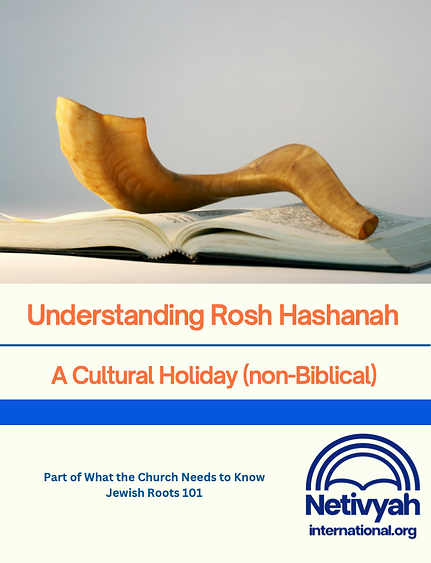
Rosh Hashanah
Rosh Hashanah, the Jewish New Year, is a time of reflection and renewal, celebrated with prayers and the sounding of the shofar to herald the coming of God's kingdom.
Yom Kippur
Yom Kippur, the Day of Atonement, is observed as a solemn time for repentance and seeking forgiveness, emphasizing the need for personal and communal reconciliation with God. For Disciples of Yeshua, it highlights the belief in Yeshua as the ultimate atonement for sin, offering a deeper understanding of redemption and grace.
.jpg)
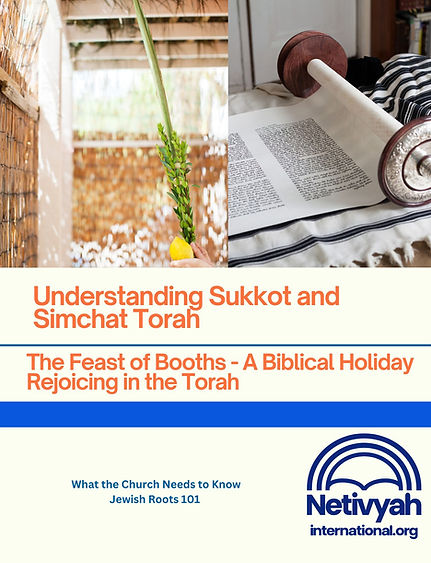
Sukkot
Sukkot, the Feast of Tabernacles, celebrates God's provision and protection during the Israelites' journey in the wilderness, symbolizing a time of joy and gratitude. For Disciples of Yeshua, it also points to the future fulfillment of God’s promises, including the anticipated reign of the Messiah, who will dwell among His people in a restored creation
.jpg)
Hannukah
Hanukkah commemorates the rededication of the Second Temple and the miracle of the oil that lasted eight days, symbolizing the triumph of faith and perseverance. In the New Testament, the festival is significant as it provides the backdrop for Jesus' teachings and His proclamation as the light of the world, highlighting themes of hope and divine intervention.
.jpg)
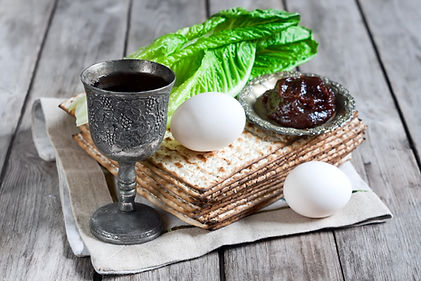
Passover
Pesach, or Passover, commemorates the Israelites' liberation from slavery in Egypt, marked by the sacrifice of the Passover lamb and the miraculous Exodus. For Disciples of Yeshua, it holds profound significance as a foreshadowing of Yeshua, the Lamb of God, whose sacrifice brings ultimate freedom from sin and death, fulfilling the promise of redemption.
.jpg)
Shavuot
Shavuot, known as the Feast of Weeks, commemorates the giving of the Torah at Mount Sinai and marks the end of the counting of the Omer. Shavuot holds additional significance as the time when the Holy Spirit was poured out on the disciples of Yeshua (Jesus) during the Feast of Pentecost, symbolizing the renewal of God's covenant and the fulfillment of prophetic promises in both the Torah and the New Testament.
%20(dragged).jpg)
Purim
Purim celebrates the deliverance of the Jewish people from Haman's plot, highlighting themes of courage, faith, and divine intervention. It points to the ultimate redemption through Yeshua, who embodies the hope and salvation for all people, echoing the miraculous preservation of God's chosen.
