
The Shofar Is a Call to Repentance, Not Decoration

2026. Elizabeth Shulam
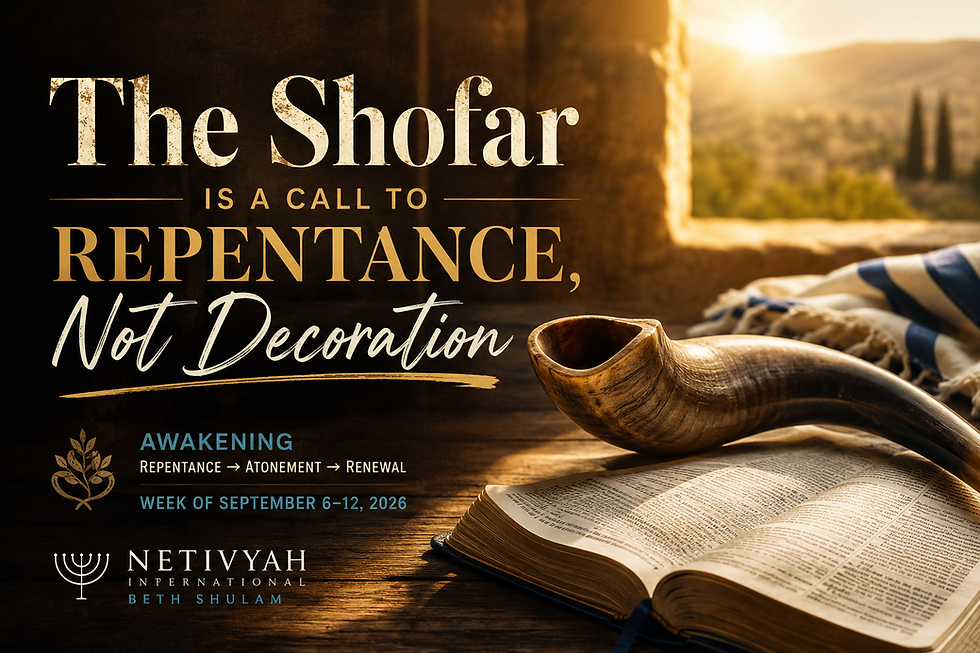
It is easy to turn holy things into accessories. A shofar can sit on a shelf, appear in a graphic, decorate a conference table, or become a symbol of “Hebrew roots” without ever doing the thing it was meant to do. The sound of the shofar is not background music for spiritual aesthetics. It is a sound that interrupts. It gathers. It warns. It announces.
It wakes people up.
That is part of why this season deserves more. As Rosh Hashanah approaches, many believers are drawn toward the biblical feasts and the Jewish calendar. That can be beautiful when it leads to humility, repentance, and deeper attention to Scripture. It will become shallow if we use symbols without receiving the summons attached to them. The shofar is not decoration. It is a call to wake up before God.
In the Torah, the sound of the ram’s horn appears in moments of holy seriousness. At Sinai, the people trembled as the sound grew louder and louder, and Moses brought them out to meet God (Exodus 19:16–19). The shofar was not used to create a mood. It marked the nearness of the Holy One and the weight of covenant. The people were not being entertained. They were being confronted with the God who had redeemed them from Egypt and called them to live as His covenant people.
Leviticus 23 speaks of the first day of the seventh month as a day of complete rest, a holy convocation, “commemorated with trumpet blasts” (Leviticus 23:24). Numbers 29 also connects this day with the blowing of trumpets. Later Jewish tradition would recognize this day as Rosh Hashanah, the head of the year, and it became deeply connected with repentance, judgment, mercy, and preparation for Yom Kippur. For followers of Yeshua, this is not a call to imitate Jewish life carelessly or claim ownership over Israel’s appointed times. It is a call to learn with reverence. These holy days belong within Israel’s covenant story, and Gentile believers should approach them with gratitude rather than arrogance.
The prophets understood the shofar as a warning sound. Joel cries,
“Blow the trumpet in Zion; sound the alarm on my holy mountain!” (Joel 2:1).
The sound is urgent because the day of the LORD is near. Yet the warning does not end in despair. Joel goes on to say,
“Return to me with all your heart, with fasting, with weeping, and with mourning; rend your hearts and not your clothing” (Joel 2:12–13).
That is the biblical shape of awakening. God wakes His people so they can come back to Him. He exposes danger so mercy can be received. He sounds the alarm before judgment becomes final. Human beings, being the impressive little experts in denial that we are, often prefer to stay asleep until consequences start banging pots and pans in the kitchen. Scripture is kinder than that. God calls before collapse. He warns before ruin. He summons before the heart becomes hard.
The New Testament carries this same urgency. Paul writes,
“You know what time it is, how it is now the moment for you to wake from sleep” (Romans 13:11).
He is writing to believers, not pagans. Spiritual sleep is not only a problem for people outside the faith. It can settle over those who know the language, attend the gatherings, read the verses, and still slide into dullness., being so familiar with Scripture and not pierced by it. Speaking about repentance while carefully avoiding the areas where repentance would cost us something.
Yeshua also speaks in the language of watchfulness. Again and again, His followers are told to stay awake, to be ready, to keep their lamps burning, to live as servants who know their master will return. That kind of alertness is not fear-based performance. It is covenant attentiveness. It is the life of people who know the King is not absent, the hour is not meaningless, and the heart must not be allowed to wander without correction.
Repentance begins with hearing. Before we return, we must first realize we have drifted. Before we confess, we must stop defending ourselves. Before renewal comes, there is often an awakening that feels uncomfortable. The shofar tells the truth loudly enough to break through our distraction.
For believers in Yeshua, repentance is not a rejection of grace. It is one of the ways grace does its work. The kindness of God leads us to repentance. The mercy of God does not leave us asleep. The Messiah who forgives also calls, corrects, restores, and teaches us to walk in newness of life.
So when we speak about the shofar, we should speak carefully. It is not a prop for spiritual branding. It is not a decorative nod to Jewish tradition. It is a reminder that the God of Israel still calls people to wake up and return. The sound asks a question we would often rather avoid:
Where have you grown dull before God?
Ask that question with mercy. A sleeping heart does not heal. A distracted life does not become faithful by accident. Renewal begins when we hear the call and stop pretending we do not know what God is asking of us.
The shofar is not decoration.
It is an alarm of mercy.


Comments